Data Storage
Lecture 4: Storing Data
Outline
- Readings: Data Types and Data Organization in Spreadsheets
What is Data?
Cambridge defines data as:
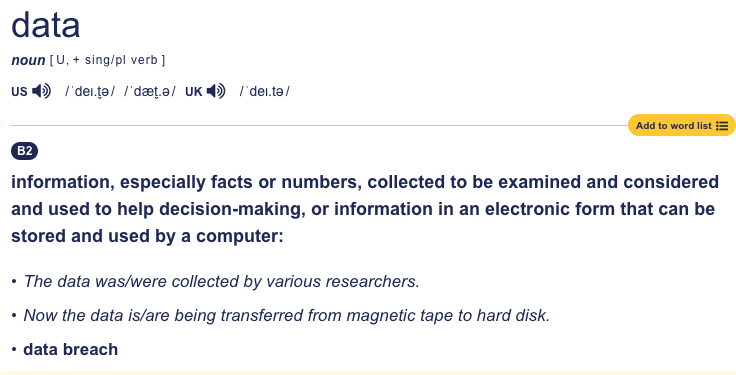
- facts or numbers.
- in electronic form.
- stored and used by a computer.
What is a variable?
Something that varies. Distinguished from constants.
Classifying Data
- Quantative vs. Qualitative.
- Nominal. (No order and no arithmetic).
- Ordinal. (Order, no arithmetic).
- Interval scale. (Addition and subtraction, no multiplication and division).
- Ratio scale. (All arithmetic).
- Nominal. (No order and no arithmetic).
Data Organization in Spreadsheets
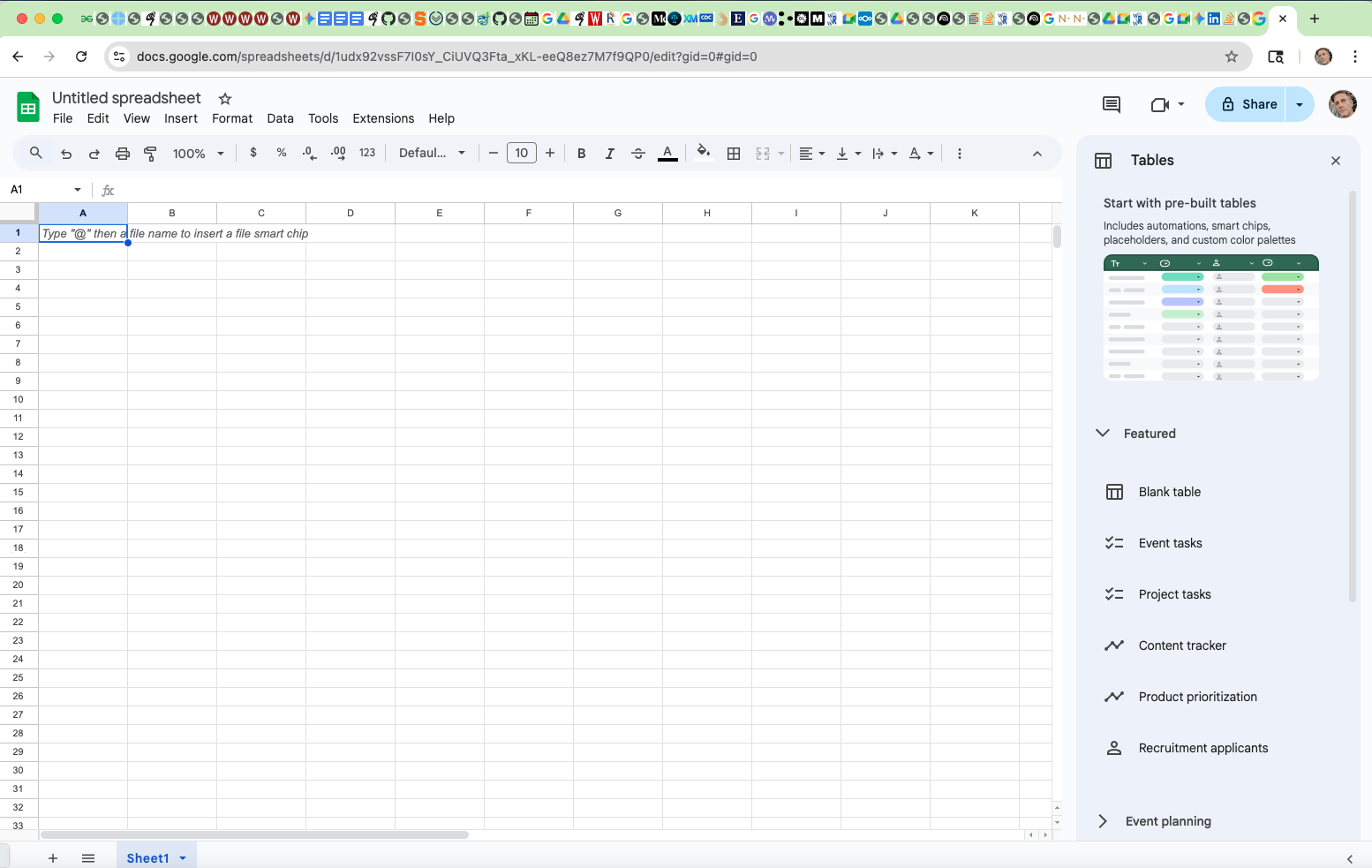
- Google Sheets: rows, columns, sheets
How to Organize Spreadsheets?
- Be consistent.
- Dates in YYYY-MM-DD.
- No empty cells.
- One thing per cell.
- Single rectangle [rows as units, columns as variables, header row].
- Create a data dictionary.
- Do not include calculations in raw data.
- Fonts and color hides data.
- Name things well.
- Make backups.
- Use validation.
- Save the data in plain text.
FBS vs. DBMS
- File Based System: spreadsheets.
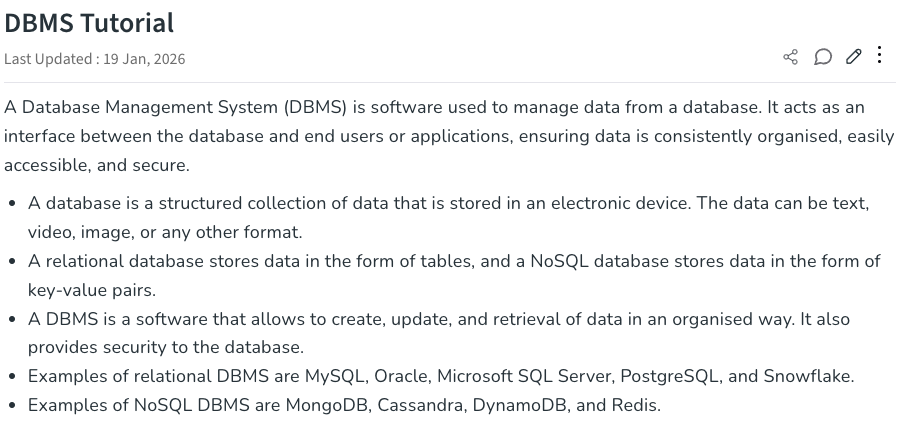
- Database Management Systems: an interface between files and users.
More on DBMS
DBMS Architectures and Levels
- 1 tier: Local database and application.
- 2 tier: Database on server, client with user and application
- 3 tier: Application server and database server, client with user and application.
DBMS Types
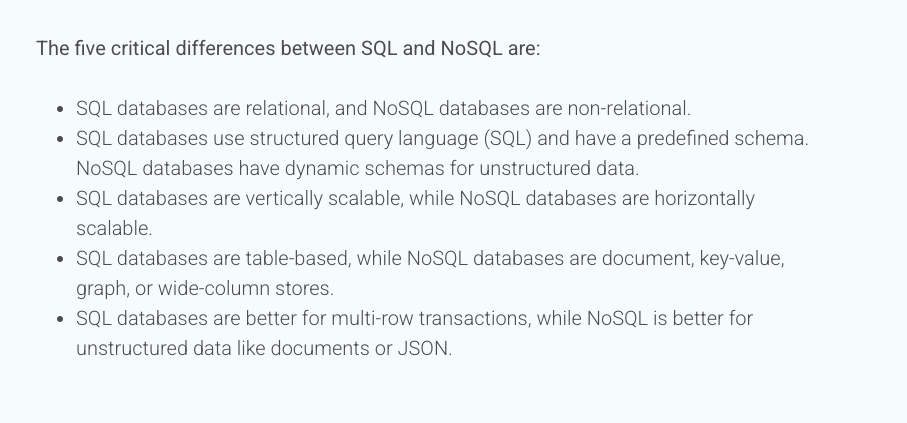
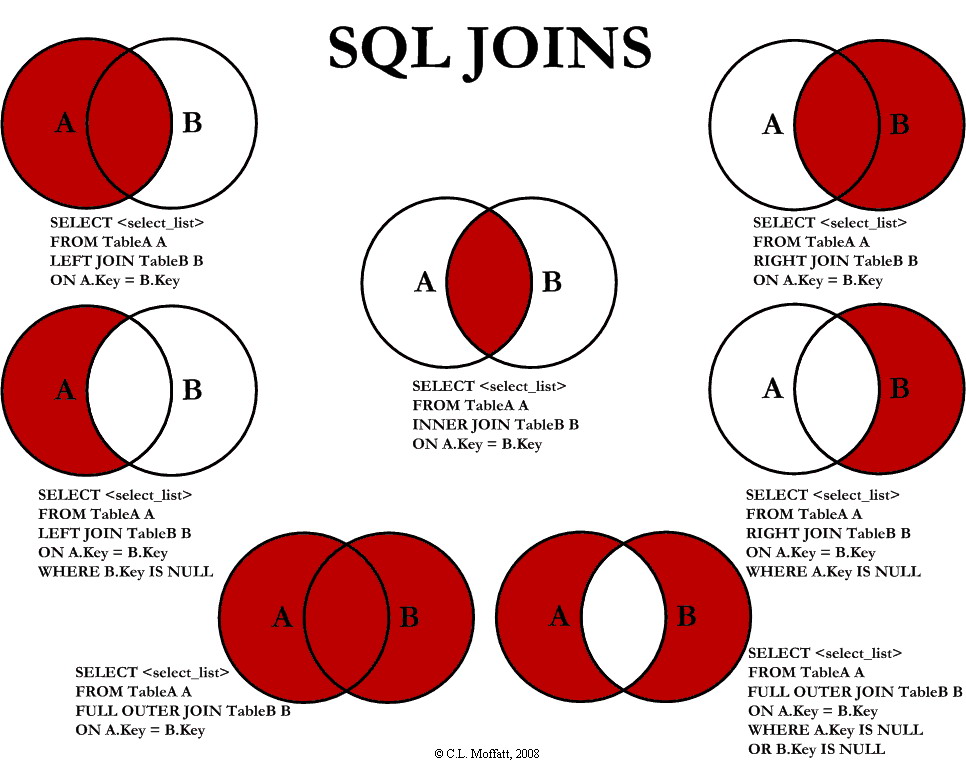
Joins
Takeaways
FBS is usually how things start; structure is expensive and ex ante required.
The challenge: When to transition?
In many ways, the distinction comes down to when to no longer trust organic collaboration by imposing structure.
Musings
- Much of this distinction may soon become moot.
- AI makes mistakes and those could be awful.
A Class Assignment to Conclude
How do you think Willamette stores your data?
FBS or DBMS What organizes it and why?